
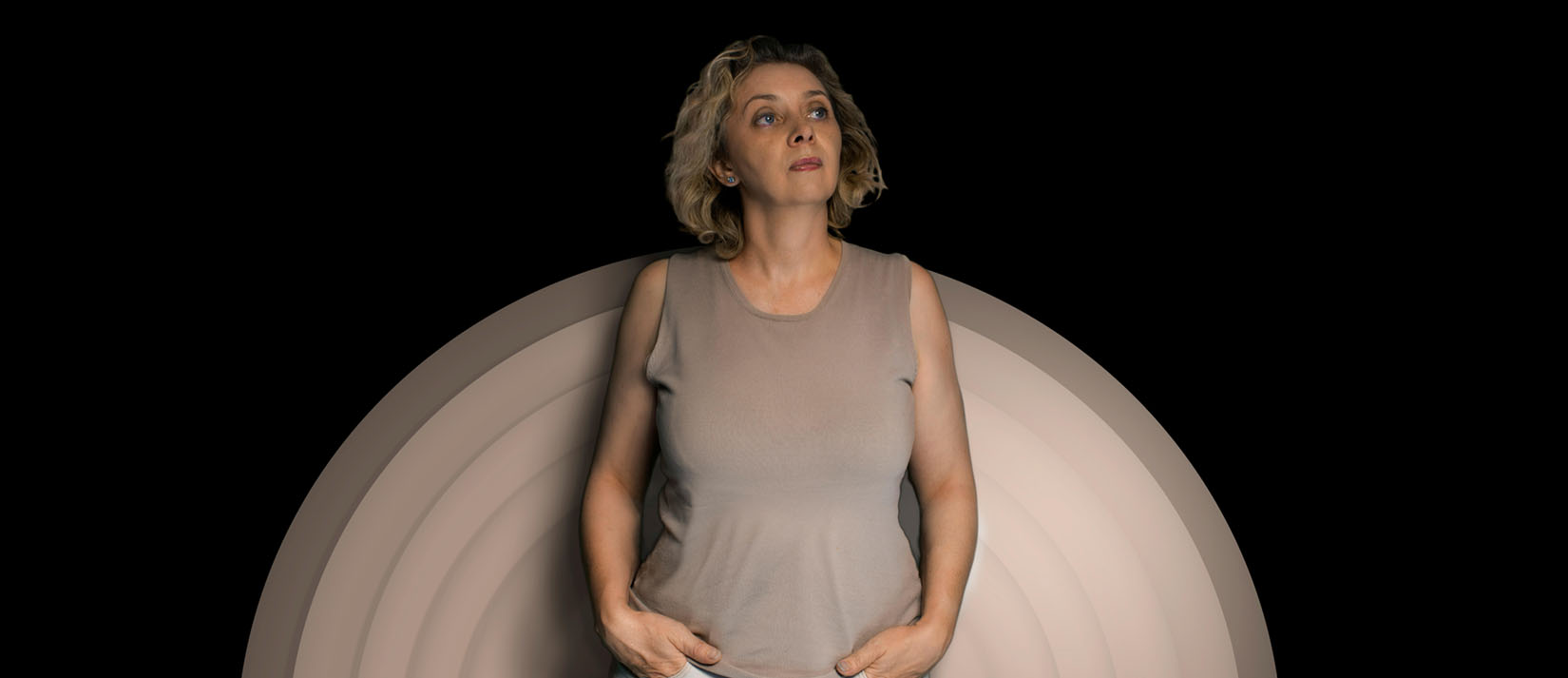
Body image is often discussed in the context of appearance, or self-esteem, but it reaches much further into daily life. It influences how people experience their own sense of confidence and belonging. Midlife can bring renewed attention to the body for reasons that are both personal and cultural, and body image concerns during midlife often intersect with things like aging, sexuality, and health.
For many people, and women in particular, these experiences unfold alongside changing life transitions that reconfigure self-perception, and can contribute to an increased level of stress that can impact mental health and impair functioning.
Understanding Ourselves in Midlife
Body image is often described as the way a person thinks or feels about their appearance, but the concept reaches further than appearance alone. It reflects an ongoing connection with the body that is shaped by experience and continues to evolve throughout life. As people age, that relationship is influenced by physical shifts, and by the meaning attached to them.
Aging is both a biological reality and a cultural experience. Bodies change over time, yet the significance of those changes is often filtered through social expectations about attractiveness and vitality. Ageism plays a role in that process. Cultural messages frequently frame youth as something to preserve and aging as something to resist, defining worth through this same lens.
Midlife can bring those influences into sharper focus. Periods of transition often prompt people to reconsider parts of themselves that previously felt settled, and the body can become part of that reassessment. For some individuals, body image concerns become a significant source of distress. Preoccupation with physical changes to weight and shape can contribute to increasingly rigid relationships with food and exercise. Although these struggles are often associated with younger populations, they can emerge at any point across the lifespan.
Menopause and the Medicalization of Change
Menopause is one of the most significant transitions associated with midlife for those assigned female at birth, yet discussions about it often focus more on management than understanding. The body’s ongoing adaptation to shifting hormone levels changes body composition—including skin—and weight distribution. Sleep and energy are commonly impacted, and with them a physiological trigger for potential emotional lability.
As a result, there is an entire industry devoted to combating the effects of menopause. Advice about metabolism and hormones appears everywhere, often carrying the implication that success depends upon maintaining a body that shows as little evidence of aging as possible. The prevalence and intensity of these messages can shape the navigation of menopause into something overwhelming, setting very few up for a positive and peaceful experience.
Weight gain occupies a particularly visible place within that conversation. The expectation that menopausal weight changes should be prevented or quickly reversed directly contradicts the reality that bodies naturally change throughout the lifespan. As a result, many people find themselves evaluating their health, discipline, or self-worth through the lens of changes that are both common and expected.
A less public-facing but equally emotional element of menopause is related shifts in desire and sexuality. That effect on how someone engages with intimacy within their relationships adds another layer of complexity to how someone views themselves physically at this stage of life.
The Changing Landscape of Intimacy
Intimacy is deeply connected to the comfort level a person has with their physical self. Body image often influences the willingness to receive affection and remain present in moments of connection. During midlife, that relationship may be shaped by changing perceptions of attractiveness that create a sense of vulnerability and uncertainty.
Many of those perceptions develop within broader social norms. Popular media continues to place a premium on youth, particularly for women, reinforcing the idea that desirability has an expiration date. Over time, these messages can affect how people understand their own appeal and value, and this experience can be accompanied by a sense of fading from view. Attention that once felt automatic may become less familiar.
These dynamics often surface within established relationships, and even more so during periods of transition. A person may carry greater self-consciousness into a long-term partnership despite feeling secure with their partner. Dating after divorce or widowhood feels very different from earlier stages of life, prompting questions about attractiveness and even identity.
Conversations about these emotional and relational adjustments remain surprisingly limited. Public discussion tends to focus on preserving appearance, while conversations about sex and changes to arousal receive far less attention. That silence can foster shame and isolation, making it harder for people to recognize how common these concerns are and how closely they are tied to the human experience of connection.
Living Fully in a Changing Body
Much of the distress surrounding body image in midlife emerges from the gap between lived experience and the stories people are given about what that experience should mean. When questions about desirability, identity, or sexuality are met with silence, many are left to carry those experiences privately, assigning personal significance to challenges that are often widely shared.
The body is not a separate entity moving through life alongside us. It is part of how we experience every relationship, every transition, and every chapter of our personal history. As the body evolves, the task is not to wage war against those changes, but to remain connected to ourselves through them. Aging leaves its mark on all of us. Those marks tell a story of adaptation, loss, resilience, love, growth, and survival.
Support for that process can take many forms. It may be found in community, in meaningful relationships, and in the willingness to engage fully with life as it unfolds. For some, it may also involve therapy that creates space to explore the complicated intersections of self-worth, intimacy, identity, and change while building a healthier way of relating to the body across the lifespan.